Tuckpointing & Repointing Services
Professional mortar repair that protects your brick from water damage and restores structural integrity.
What Is Tuckpointing and Why Does It Matter?
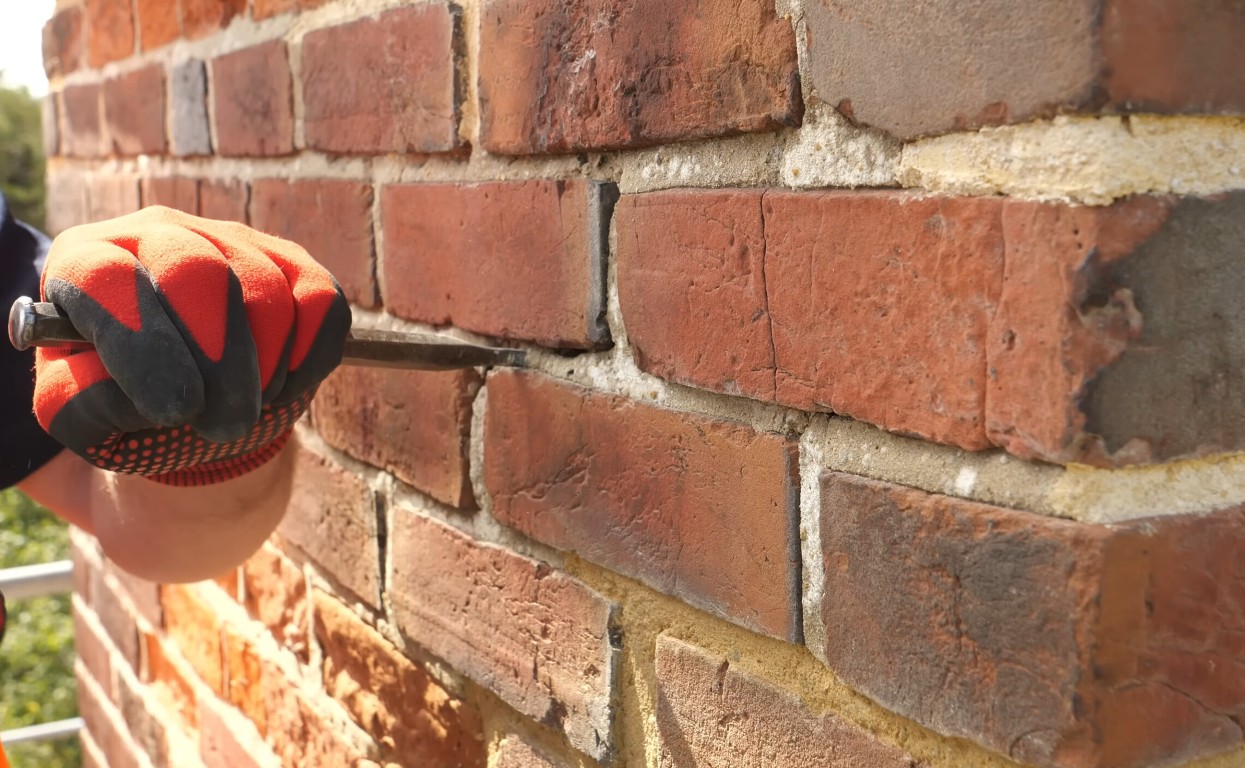
Tuckpointing is the process of removing old, damaged mortar from between your bricks and replacing it with fresh mortar. Think of mortar as the glue that holds your brick wall together. Over time, weather wears down this mortar. Rain, wind, and temperature changes cause it to crack and crumble away.
When mortar deteriorates, several problems happen fast. Water seeps into the gaps and gets behind your brick wall. This moisture causes brick to loosen, walls to weaken, and interior water damage. In Brownsville's climate with our intense heat and occasional heavy rains, mortar breaks down faster than in many other areas.
You might hear people use the terms tuckpointing and repointing interchangeably. They are similar processes. Repointing means removing and replacing deteriorated mortar. Tuckpointing technically refers to a specific decorative technique where you use two colors of mortar to create thin lines that make mortar joints look extra neat. In practice, most people just call any mortar repair work tuckpointing.
At BRV Brownsville Masonry, we specialize in both types of mortar repair. We remove failing mortar, carefully match your existing mortar color and composition, and restore your brick structure to like-new condition.
Signs Your Brick Needs Tuckpointing
Many homeowners do not realize their mortar has problems until serious damage occurs. Here is what to watch for:
- •Crumbling or missing mortar: When you can easily scrape mortar out with a tool or see gaps between bricks, your mortar has failed. This needs attention right away before water damage starts.
- •Cracks in mortar joints: Small hairline cracks grow into bigger problems. Once cracks form, water enters and freezes during cold snaps, making the cracks worse each year.
- •White powdery deposits: That white stuff on your brick is called efflorescence. It means water is moving through your mortar joints and carrying salt deposits to the surface.
- •Loose bricks: If bricks move when you push on them or you can see daylight through gaps in the wall, the mortar has failed completely. This is a structural issue that needs immediate repair.
- •Water damage inside: Stains on your interior walls, dampness, or mold near brick walls often trace back to failing exterior mortar joints.
If you notice any of these warning signs, contact us for an inspection. Tuckpointing done early prevents much more expensive repairs down the road.
Our Professional Tuckpointing Process
Quality tuckpointing requires skill, patience, and the right materials. We do not rush through the work or cut corners. Here is how we handle every tuckpointing project:
Step 1: Careful Mortar Removal
We use specialized grinders to remove old mortar to the proper depth, usually about three-quarters of an inch. This depth ensures the new mortar bonds properly and lasts for decades. We work carefully to avoid damaging the brick edges. Improper removal techniques chip and crack bricks, so we take our time and do it right.
Step 2: Cleaning and Preparation
After removing old mortar, we thoroughly clean out all dust and debris from the joints. We also wet the brick surfaces slightly. This prevents the dry brick from sucking moisture out of the new mortar too quickly, which would weaken the bond.
Step 3: Custom Mortar Mixing
We carefully match your existing mortar color by mixing the right combination of sand, cement, and lime. Getting the color right matters because you want repairs to blend in seamlessly. We also match the mortar strength to your original mortar. Using mortar that is too hard can actually damage older brick.
Step 4: Expert Application
Our masons pack fresh mortar tightly into the joints using specialized tools. We work in layers for deeper joints, allowing each layer to set slightly before adding more. This creates a strong, weather-resistant seal. Finally, we tool the joints to match your existing profile, whether that is flush, concave, or another style.
The entire process protects your brick structure from water infiltration and extends its life by many years. Just like our brick repair services, we focus on long-lasting results that you can count on.
Frequently Asked Questions
How much does tuckpointing cost?+
Tuckpointing costs depend on several factors including how much wall area needs work, how deteriorated the mortar is, and how easy it is to access the work area. Ground-level walls cost less than second-story or chimney work that requires scaffolding. On average, homeowners in Brownsville spend between eight and fifteen dollars per square foot for quality tuckpointing. We provide free estimates so you know exactly what to expect before we start. Many homeowners find that investing in tuckpointing now saves thousands of dollars in major repairs later.
How long does tuckpointing last?+
Professional tuckpointing done with quality materials typically lasts 25 to 30 years or more. The lifespan depends on weather exposure, the quality of materials used, and how well the work was done originally. Walls that face harsh weather may need attention sooner than protected areas. Regular inspections help you catch small problems before they become big ones. When you see the first signs of mortar deterioration, addressing them promptly extends the overall life of your brick structure.
Can I do tuckpointing myself?+
While some handy homeowners attempt DIY tuckpointing, we generally do not recommend it unless you have masonry experience. Improper techniques damage brick, create weak joints that fail quickly, and often result in mismatched mortar that looks patchy. Professional masons have the right tools, know how to mix mortar to the correct strength and color, and understand proper joint depth and tooling techniques. Poor tuckpointing often costs more to fix than doing it right the first time. For chimneys and other critical structures, professional work is essential for your safety.